Conscious
Jak dbać o ubrania

We’re on a journey to make fashion smarter, giving fashion-lovers the best possible online retail experience and making sure every item of clothing is worn.
27 FEBRUARY 2022
Dążymy do tego, aby uczynić modę mądrzejszą, zapewniając miłośnikom mody jak najlepsze wrażenia ze sprzedaży internetowej i upewniając się, że każdy element garderoby jest noszony. Idąc dalej, postanowiliśmy przekazać więcej informacji na temat naszego kompleksowego planu i odpowiedzialnych wyborów, aby zachować jak największą przejrzystość.
Moda jest jedną z najbardziej zanieczyszczających branż na świecie i niestety 12% produkowanej odzieży nigdy nie zostaje sprzedane.
Nasz cel: Wszystkie ubrania powinny być noszone
Umożliwiamy markom projektantów znalezienie właściciela dla każdego stworzonego przez nich produktu.
W tym poście mamy dla Ciebie 10 prostych wskazówek, jak właściwie dbać o ubrania. Dlaczego to takie ważne?
Mądrzejsze dla Twojej garderoby Pielęgnacja ubrań przedłuża życie Twojej szafy sprawiając, że dłużej pozostaje modna. - Na dłuższą metę zaoszczędzi Ci również czasu!
Około 25% śladu środowiskowego odzieży bierze się z noszenia i prania.
Dzięki naszym sprytnym wskazówkom i sztuczkom możesz zmaksymalizować swoją garderobę i być lepszym dla planety.
1. Noś je częściej, pierz rzadziej
Pierz ubrania tylko w razie potrzeby. Pranie po jednym użyciu często wynika bardziej z przyzwyczajenia niż z higieny. Wiele ubrań wystarczy wywietrzyć, a plamy można często usuwać punktowo. Bądź odpowiedzialny i rzadziej rób prawnie – jest to korzystne dla wszystkich.
2. Niższa temperatura poradzi sobie z plamami
Pralki i detergenty zostały opracowane tak, aby czyścić w niższej temperaturze niż dawniej. Ciepło może rozkładać włókna tekstylne i zużywa więcej energii, więc wybierz chłodniejsze ustawienie i dłużej ciesz się ubraniami.
3. Wypełnij bęben
O ile nie jest to sytuacja awaryjna, pranie pojedynczego elementu garderoby to strata zarówno wody, jak i energii. Poczekaj, aż będziesz mieć wystarczająco dużo prania, aby napełnić pralkę w ¾. Nie przepełniaj pralki, ponieważ zapobiega to spłukiwaniu brudu przez wodę i powoduje, że brania będą mniej czyste.
4. Pomiń suszenie
Tak samo, jak lepiej jest, aby włosy wyschły samodzielnie, tak też lepiej, aby ubrania wyschły na powietrzu! Dzięki temu ubrania są w lepszym stanie i możesz zaoszczędzić czas na prasowaniu, jeśli prawidłowo powiesisz pranie. Użyj wieszaków do koszul i ubrań szytych na miarę elementy, aby upewnić się, że wyschną bez zagięć.
5. Zajmij się plamami, gdy tylko je zauważysz
Jeśli zobaczysz plamę na ubraniu, postaraj się natychmiast nią zająć, jest to łatwiejsze. Zwłaszcza przy naturalnych materiałach, takich jak bawełna, len i wełna, które są bardzo chłonne, co utrudnia usuwanie plam, jeśli brud głęboko wsiąknie.
6. Mroź jeans
Wsadzenie jeansu w torbie do zamrażarki na dzień lub dwa utrzyma jeans w lepszej kondycji oraz zabije bakterie i brzydkie zapachy. Czy znajdzie się miejsce obok lodów?
7. Wywieś koszule, gdy jest słonecznie
Słońce ma naturalne właściwości wybielające, jeśli chodzi o ubrania. Powieś białe ubrania do wyschnięcia na słońc i skorzystać z naturalnego wybielacza.
8. Susz bawełniane ubrania na płasko
Dzianiny uwielbiają płaskie powierzchnie podczas suszenia, pomaga to zachować ich kształt, zwłaszcza w przypadku cięższych ubrań. A więc susz na płasko – najlepiej na ręczniku, aby wchłonął nadmiar wilgoci.
.
9. Prasuj tylko wtedy, gdy musisz
Potrzebujesz innej wymówki, aby wymigać się od prasowania? Suszenie ubrań na wieszaku zamiast w suszarce bębnowej pozwala pominąć koszty energii związane z nagrzaniem i uruchomieniem żelazka. Jeżeli Twoje ubrania są już czyste i suche, powieś je w łazience pod prysznicem. Wilgotne powietrze działa trochę jak parownica, pomagając zmniejszyć zagniecenia.
10. Odśwież umiejętności
Brak guzika lub mały defekt nie oznaczają, że musisz wyrzucić ubrania. Jest to po prostu część naturalnego cyklu życia każdego produktu i można go łatwo naprawić, aby przedłużyć żywotność Twoich ubrań. Pinterest, YouTube lub TikTok to Twoi przyjaciele, którzy oferują przydatne porady na temat majsterkowania. Jeżeli nie czujesz się na siłach, zawsze w pobliżu znajdzie się bardziej wprawiona bliska osoba lub świetny krawiec.
Wszystko, co dobre, musi się skończyć, w tym ubrania. Ale z tymi 10 łatwymi wskazówkami będziesz w stanie cieszyć się ubraniami o wiele dłużej.
Jeżeli potrzebujesz czegoś nowego, odkryj naszą kolekcję.
#WearIt
More from Otrium
See all articles
In the fashion industry, 12% of the garments that are produced stay unsold. Otrium’s purpose is: All Clothing Should Be Worn.That’s why we’re tech-enabling designer brands to find an owner for every item they produce.In this post, we’ll be sharing why being conscious is important for us, what it means, and how you can follow our journey.The definition of Conscious For us, being conscious is about being aware of our impact and finding solutions to do better. Whether that concerns our planet, people or animal welfare. We’re taking responsibility in two ways:1. Driving positive change in the fashion industry by eradicating unsold seasonal inventory.2. Continuously working to improve our own e-commerce practices.Starting with the whyWe recognise the fundamental contradiction between the current fashion industry, which thrives off newness and consumption, and being conscious. Every single garment has an impact. Otrium wants to have a positive impact on the fashion industry by:undefinedundefinedundefinedundefinedFollow our journeyOur commitment to being Conscious is an ongoing journey, taking both big and small steps in order to be a force for good. We want to be as transparent as possible and communicate our Conscious roadmap fully. We will update the renewedundefined on our platform regularly and publish an Impact Report at the beginning of 2022, with our progress since 2020. Want to know more? Read our just-launched FAQs on the topic of Conscious undefinedOur next step: Conscious brands at OtriumWe’re always on the lookout for Conscious brands so if there’s a brand you love for their sustainability credentials that you feel we should be featuring, please reach out to undefined.How you can helpApproximately 25% of a garment’s environmental footprint happens in the wearing and washing. So with our smart tips and tricks, you can maximise your wardrobe and be kinder to the planet. undefined
Conscious
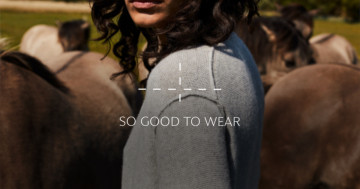
Conscious Series: So Good To Wear
Otrium continually works towards the mission that all clothing should be worn. We do this by helping to eliminate unsold inventory and using technology and data to change the way clothing is created and sold. We are looking to highlight brands in a positive way and help our customers make more informed choices.This week, we chatted to Eric Otten, CEO of cashmere brand So Good To Wear, who believes that ethical fashion should be the rule instead of the exception. So what does sustainability mean to you? “People have always thought we could take something inexhaustible from our earth, to drive mass consumption and economic growth. Unfortunately, the reality is the opposite. Sustainability means that we have to give back more to the earth than we take” Tell us more about your brand. “Cashmere without compromises sums it up. We redesign the production process of cashmere with new and restored values. It’s a more conscious and personal process.” What’s your role… and how did you get there? “As CEO of the company, I have to be a farmer for our Nepalese business and at the same time a fashion specialist for our western business. I bring those two worlds together, always with consideration of our vision and goals.” What’s your career background and when did you start working on creating a positive impact? “I have been in the fashion business for almost my whole career. I worked for private label brands and premium brands like Wolford. After five years, I truly realised there are no limitations for the welfare of our planet and so I joined the sustainable and fair trade brand MYoMY. From there, I moved to So Good To Wear.” What achievement are you most proud of? “Putting the whole chain theory in practice! From our own cashmere goats to our spinnery, natural dying atelier and production in Nepal to our “slow fashion” models in the retail industry. The whole chain is fairtrade, animal friendly and committed to rebuilding the economy in Nepal.”What are you working on at the moment? “We are expanding our retail network internationally and expanding our own cashmere goat herd in Nepal.”What is the biggest challenge on your roadmap of improvements? “The coordination between high demands in the western world and the limitations of the relatively primitive possibilities in Nepal. Some things take more time to realise in Nepal – time we sometimes don’t have.”What’s the best feedback you’ve ever received from customers? “I have never worn a more comfortable piece of clothing than my So Good To Wear sweater – it’s physical and emotional.”What do customers value most about the brand and products? “It’s high “slow” fashion without compromises, made from the finest quality cashmere, fully fairtrade, sustainable and animal friendly”Who inspires you and why? “Stella McCartney – it became a movement of a luxury fashion brand built on sustainability.” What’s the most important aspect you keep in mind when shopping for more sustainable fashion? “I ask: is the brand really concerned about sustainability or is it a form of “greenwashing”?”Do you have a quote you live by? “Without action, we only have words.” What’s a quick change that people could make in terms of being more sustainable? “Actually, that is very easy! Start changing small and easy things in your life because it all helps: take your bike, not your car, don’t let the water run when you brush your teeth, don’t throw away food, put the light out in rooms you're not in, wash only a full machine and use biological soap, throw waste in a bin, not on the street, don’t eat meat every day and many more things that make more difference than you think, in your head and for nature.”
Conscious
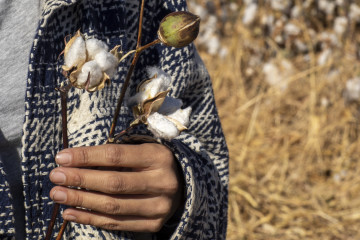
Conscious series: Outerknown
At Otrium, we are committed to a fashion industry where all clothing is worn. Our core mission is to connect excess inventory with its perfect owners, ensuring a win-win situation for brands and consumers alike, while preventing this unsold stock from finding its way into landfill. We are looking to highlight brands in a positive way and help our customers make more informed choices.This month, we meet Tommy Monette, Director of Wholesale at Outerknown.What does being conscious mean to you?I love my job and I love the industry, but fashion is the second leading cause of waste on the planet. We’re only behind fossil fuels, so it’s really bad, accounting for 10% of all climate change. The reason I moved jobs to Outerknown was for the brand’s impact story. If you’re sitting at the office at Outerknown, it’s the one thing that everybody is constantly talking about. Everything that we do, every conversation we have in the building is wrapped around impact.For Outerknown, the goal has always been to be fully circular by 2030. We don’t want to put anything new into the marketplace. We’re about 55% - 60% of the way to circularity at present. We’re not taking current items that we make and trying to retro-fit improved processes. When we develop our methods of working with different factories and different yarn producers, a conscious outlook is built into product development from the very start. Even if you’re using regenerative farming and organic cottons, you’re still putting something new into the market. If you can take something that has already been created and recycle it, then that’s so much better. For us, being conscious is all about people and the planet. Our top three priorities are circularity, water conservancy and the people who make our garments.Tell us more about the people part of your missionAt Outerknown, our statement is ‘for people and planet’. We’ve always tried to live by that and execute our practices that way. People are the first part. It’s who’s touching the garments, how they’re being made, what factory is being used. The people in your supply chain have to be making a living wage, have access to healthcare and decent living conditions, and be treated fairly, otherwise sustainability doesn’t even matter. It has to start with making sure that we’re operating in a safe way. In the past, we have seen factories that tick all of our impact boxes, but then we’ve found out that they subcontract some of their work to territories that have had major worker rights issues. We can’t vet all of those practices, so we’ve pulled out. We don’t want to cut any corners. If we do, everything that we’ve said, everything that we are and everything that we’ve leaned on isn’t true and we don’t want to do that. You’re only as good as your word. Our reputation right now is really, really good, and if we slip even a little bit, that all goes out of the window. We have also exited markets completely where we object to the systems in place from a political stance, as well as not taking part in events such as tradeshows in geographies where laws around LGBTQ+ rights don’t align with those of Outerknown. It hurts us financially to take that step back, but I mean, we’re selling pants and tops. So if you can’t do that in a way that’s meaningful and is clean on your conscience, what are you doing? This is something that our brand and our leadership is really committed to. If we see something that’s not working for us ethically, we’re out.What about your animal welfare policies?We don’t work with a lot of animal products, but those that we do use tie back into our circularity model. Our wool and cashmere products are fully recycled. We also use recycled down, which is easier to work with than recycled cashmere or wool. Cashmere in particular is really challenging. With down we’re just getting to the point where we can take the garments that we’re recycling and trace them back to the point of origin, so we can tell if the down was responsibly sourced from the very beginning. Down was so awful for so long from an ethical perspective, that it garnered a lot of attention, making tracking its origins a priority ahead of wool and cashmere. With some of our wools and cashmeres we don’t know where the original garment came from, but we then put it into our circularity loop.What are the brand’s next innovations coming up?The biggest push for us at the moment is getting C2, a type of regenerative cotton, off the ground. We grow it at our farms just north of Los Angeles. The fabric produced is a little thinner like a slub, and it’s high in recycled content. We’re testing that and putting it in the market for Spring Summer 23. When you’re growing cotton in huge swathes, you move fields and chew up a lot of ground. With C2, we use the same space over and over again, with less water. The yield is less, but it’s just a better way of farming.Explain the challenges with cotton recyclingWe’re continuously iterating to increase the proportion of recycled cotton in our products. When we started it was 10% but we’re now up to 40 - 50%, with two pairs of jeans and a jacket that are 100% recycled cotton. Doing something like a t-shirt is a lot harder because the threads and the composition is flimsier. Where we can’t use recycled cotton, we use our C2 cotton. No brand is using 100% recycled cotton in their products yet. It’s so tough. There are a lot of people working on this matter industry-wide and although it’s not been solved yet, cotton recycling techniques are improving and we’re getting closer.Tell us more about your fully recycled garmentsWe’ve created a jacket called a Mono Puffer where the whole item comes from one garment - it’s fully recycled, and recyclable, right down to the zippers. It contains recycled fill rather than virgin down and the way that it’s built means that it can easily be turned into something else. This still doesn’t remove the issue around microplastics, which are an inherent problem with that kind of piece.How are you addressing concerns around microshedding?Recycled nylons and plastics are super tough to work with. We don’t even want to break the threads down - we want to take entire panels to recycle things into new garments. We’ve put our outerwear part of the business on hold until we can find a supplier that really addresses that. So we don’t have a lot of outerwear right now, which is really hurting our European teams, and especially Canada. We do have a fabric that doesn’t shed though. It’s an Italian material called ECONYL and is made from recycled fishing nets. It has a four-way stretch, and we use it for some of our swimming trunks, as well as a lot of our activewear. You can make it into jackets if you use a heavier weight of it too. It’s a really special fabric. Can you tell us about one of your initiatives around ocean and water conservancy?Ocean conservancy and water conservancy are really, really big for us. We just launched a partnership with a German company called GOT BAGs. They have a really cool vertical supply chain where they’re making bags out of only ocean plastic. They have a fleet of 2,500 fishermen in Polynesia, Thailand, and the South Pacific. When they throw their nets out, they pull in plastic, which they previously would have burnt. GOT buys the plastic from them, creating an additional income stream for these people. They turn this plastic into pellets, the pellets into fabric and the fabric into waterproof bags. They own the whole supply chain and are continuously bringing more people into the programme.How else does Outerknown work to conserve water and the oceans?Our goal as a brand is to be net positive with water consumption and this extends beyond individual initiatives into every facet of our brand both in production terms but also down to how much water we use at our office and through the tons of beach clean ups we do. Manufacturing-wise, we use a lot of waterless dyes, and consistently monitor the kinds of factories we’re using for our fabrics. We reduce how many washes our denim goes through and are using on average 130 gallons of water to make a pair of jeans. Industry standard is around 280. We’re almost net positive with water consumption as a brand.Can you tell us more about your pre-loved section Outerworn?Outerworn is a really big initiative of ours and this goes back to the circularity of our brand. We would rather, and this goes against everything any brand has done, that people shop that section of our site than buy the new items. If you have any Outerknown gear, you can just login and post it on there. The transaction is similar to eBay. We take a commission, but the product goes from you to another consumer. We want that to become a major part of our business model.What are your hopes for impact within the fashion industry in the next five to ten years?Having fast fashion take a hike would be great. It’s really easy to fall into a trap where you can just pump things out and bring so much stuff into the marketplace that in six months is going to be in a landfill. I would say, the majority of the fashion industry falls into that sector. If you look at how clothing was made 200 years ago, people had one of each thing and that was it. We’ve reached the point now where you can scroll through Instagram and buy a whole new closet, and a lot of people aren’t recycling those garments. A lot of them can’t be recycled. It’s really disheartening. I don’t know if we’ll see a huge swing towards circularity, but anything helps. I’d like to see people really start to lean into circularity and commit to shrinking their closets.What points make you hopeful for the fashion industry?If you look at big brands like Nike or Asics, there’s a lot of focus on recycling. For example, Nike has a shoe with a recycled sole, and Asics has a whole recycled shoe. Buying sustainable pieces is still expensive and not everybody can afford that. Impact and being conscious needs to be an inclusive conversation where lower income families are able to purchase in this way. You need the buy-in of big brands to make the technologies scalable and bring the costs down for everyone. Outerknown is small. We don’t move the needle, but for example, when we first started, we did a three-year collaboration with Levis, because they’re big enough to affect change. We’ll continue to do different collabs with bigger brands. We’re going to have a shoe out with Asics the year after next to go with our active collection. Having those bigger brands starting to take part in impact initiatives and collaborate with smaller brands inspires real optimism.
Subskrybuj nasz newsletter
Zdobądź najnowsze zniżki, marki i nowe dostawy.

Otrium
Obsługa klienta
Obsługa klienta
© 2016-2026 Otrium, z wyjątkiem niektórych treści dostarczanych przez strony trzecie